
"or washing"
30000 article(s) found
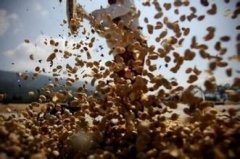
Coffee Bean Processing
The coffee tree has a pair of oval seeds in the center of the fruit. The seeds are covered by the outer skin, endocarp and pulp. Mature fruit will rot in a short time without treatment, so the purpose of refining is to make coffee beans long-term preservation, easy storage and circulation.

Coffee Bean Quality Coffee Bean Quality Grading Coffee Bean Grading Tips
There is no internationally accepted standard for coffee quality grading, and the grading methods in each country are different. Therefore, coffee classification is based on a number of characteristics applicable to each producing country. Samples of coffee beans are taken from a bag and judged according to the standards of the country of production. These samples are rated according to the evaluation. Most coffee fractions are rated as good or bad.

Coffee bean washing method taste flavor description grinding scale production area treatment method introduction
Coffee bean washing method taste flavor description grinding scale production area treatment method introduction 1, bean selection: the harvested fruit into the tank filled with water, mature fruit will sink, and immature and overripe fruit will float up, can be removed. 2. Drying: Put the selected mature fruits on the square for 5-6 days until they are fully dried. At this point, the fruit turns dark brown

Washing coffee beans, washing coffee, how to drink coffee, washing coffee beans, making coffee beans by hand, is it good to drink?
Professional coffee knowledge exchange more information about coffee beans Please follow the coffee workshop (Wechat official account cafe_style) washed coffee: a more consistent method most people drink coffee is washed or wet processed. This is the more reliable of the two ways to produce coffee with higher acidity, which is just another way to express brightness. (you may not agree with acidity

Costa Rican Tara Pearl SHB Diamond Villa washing Water washing Kadura Costa Rican flavor
Costa Rican SHB is a traditional classical coffee with a good sense of evenness and a mellow aftertaste. Most Costa Rican coffee has a bright color, high acidity, proper fullness, and charming aroma. Most of the coffee trees are recently planted for Kaddura or Katuai. The raw bean processing method adopts water washing type, which is the same as that in other areas.

What is the flavor of washed Yerga Sherfi Coffee Bean?
Professional coffee knowledge exchange More coffee bean information Please pay attention to coffee workshop (Weixin Official Accounts cafe_style) Front Street Ye Jia Xue Fei washing Romici flavor introduction Initially, Ye Jia Xue Fei coffee tree was planted by European monks, later by farmers or cooperatives. Yerga Shefi is actually constructed by surrounding coffee communities or cooperatives, which generally include: Hafusa

How to distinguish between washed and sunburned coffee beans?
A successful cup of coffee should be treated strictly from the beginning of a raw coffee bean. the treatment methods of raw coffee beans can be divided into sun-drying method and water washing method, which method should be used according to the local climate, environment and the characteristics of coffee beans. After the raw coffee beans are processed, they can be roasted and ground, but a cup of coffee is decided mainly on the freshness of the coffee beans.

Introduction to the flavor description of Ethiopian Yega Xuefei G2 washing cup
Flavor description of Ethiopian Yejashefi G2 washing cup taste introduction the coffee tree of Yegashafi was planted by European monks (a bit like Belgian monks growing wheat to brew beer) and was later transferred to farmers or cooperatives. Yejassefi is actually constructed by surrounding coffee communities or cooperatives, including Edido Idido and Harford near Fog Valley Misty valley.

Introduction to coffee berry treatment methods, grinding degree, quality, taste, fine coffee beans
Introduction to coffee bean treatment 1.2 Water washing is the most popular treatment method at present, and most boutique coffee beans will choose water washing method. Washing coffee refining process: harvesting storage tank (removal of impurities and immature beans) pulp removal machine (removal of pulp and impurities) fermentation tank (removal of mucous membrane attached to endocarp) washing tank (select light and hard beans)

Introduction of Starbucks Coffee Bean washing method and semi-washing method for description of Price and Flavor
Description of the price and flavor of Starbucks coffee bean washing and semi-washing methods the mucous membrane has strong adhesion and is not easy to remove, and the peeling machine cannot be scraped off directly. at this point, a more effective way is needed: either put it in a fermentation tank and use the bacteria 'ability to decompose the colloid to remove the pectin, or use a more powerful machine to make the coffee raw.

Flavor description of sun-washed and washed Yejia snow coffee beans grinding scale variety production area
Description of the flavor of sun-washed and water-washed Yejia snow coffee beans; in the producing area, sun-dried Yejia snow coffee sets strict standards for collecting red fruits (as a result of coffee trees). Before exposing the coffee fruit, the unripe green fruit or defective fruit is removed manually, and then the damaged or moldy fruit is removed during the sun drying process. after two weeks, the flesh sugar and essence are all infiltrated into the coffee bean, and the water content is reduced to 12%.

Description of taste and flavor of coffee bean washing method introduction of characteristics of varieties in producing areas
The description of the taste and flavor of the coffee bean washing method the introduction of the variety characteristics of the producing area is that the red fruit is dried directly and then forced to peel and peel. In this way, beans are often defective and not very beautiful. The appearance of common foreign bodies or stone beans in sun-dried beans is more than that of defective beans. The flavor of the beans treated by this method is more complex, with the flavor of the sun, the fruit flavor is very strong, and the consistency is better than that of washing.

Advantages and disadvantages of sun treatment method, water washing method and semi-washing method
Professional coffee knowledge exchange more coffee bean information Please pay attention to the coffee workshop (Wechat official account cafe_style) washing treatment will remove the sticky pulp from the coffee beans before drying, so as to ensure that the drying process will not over-ferment or produce more mold, the cost of washing is higher than the sun treatment. The first step is to pour the coffee into the sink after picking and cook.

The difference between washing and sunning flavored coffee beans
The difference between washing method and sun method flavor coffee beans 1, bean selection: the harvested fruit into the tank filled with water, mature fruit will sink, and immature and overripe fruit will float up, can be removed. 2. Drying: Put the selected ripe fruits on the square for 5-6 days until they are fully dried. At this time, the fruit becomes dark brown, moisture content 13% 3,
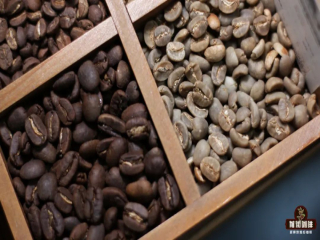
What are the traditional ways to treat coffee beans? Introduction of Coffee beans in Common Solar Water and Honey treatment
Professional coffee knowledge exchange more coffee bean information please pay attention to the coffee workshop (Wechat official account cafe_style) what is the coffee treatment, how does it affect the flavor of coffee? There are many ways to treat raw coffee beans, which are continuously improved with the continuous development of the coffee market, because the original treatment

The difference between sun-washed coffee beans and sun-washed coffee beans
Sun washing Honey treatment-the difference between sunburn and washed coffee beans honey treatment removes the peel and pulp, but retains some or all of the pectin (honey). Washed pericarp, pulp and pectin are all washed off and fermented, also known as full washing. This traditional way of handling Arabica coffee beans is still used in most countries. Others skip the fermentation step directly and adopt high pressure.

Introduction to the drying method of Red Honey Wine with Honey treated Coffee beans
Honey-treated coffee beans are washed in the sun. Choose beans: if you put the harvested fruit in the water tank, the ripe fruit will sink, while the immature and overripe fruit will float up and can be removed. two。 Drying: place the selected ripe fruits in the square and expose them to the sun for 5 or 6 days until fully dried. At this time, the fruit turns dark brown and the moisture content drops to 13%. 3. Shelling: dry

Washing steps of coffee bean processing
Coffee raw beans are the state of coffee beans before they are roasted, and the processing process of coffee raw beans is more troublesome. Today we will talk about how to wash coffee raw beans, that is, the step of washing coffee raw beans.

The reason why coffee tastes different from sunburn and washing-honey-treated coffee beans are washed in the sun.
The reason why coffee tastes different from sunburn and washing-honey-treated coffee beans are washed in the sun due to the peeling machine, some of the residual flesh is bound to be attached to the parchment of coffee beans. Coffee beans are then placed in a fermentation tank to decompose the residual pulp and parchment with natural enzymes. The fermentation process usually ends within 24 to 36 hours, depending on the temperature.